


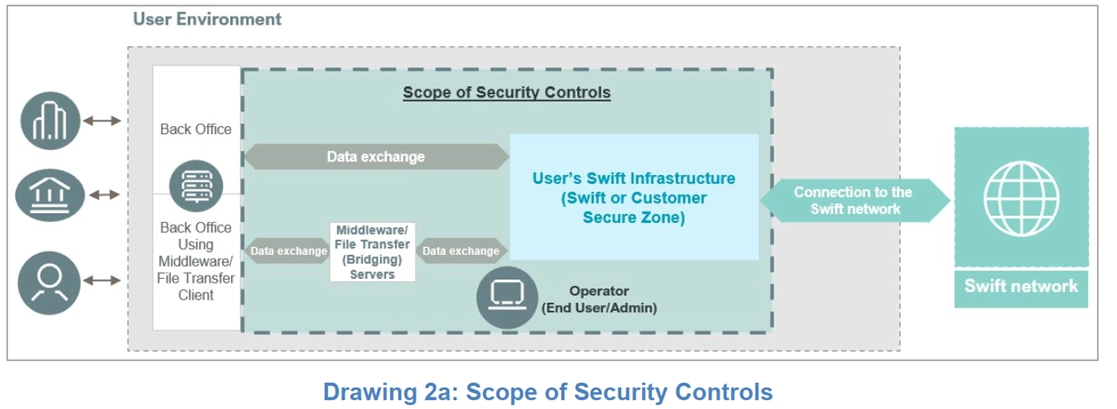
Looking ahead, legacy flows have a confirmed 2028 deadline for full remediation. SWIFT announced this transition a full cycle early, signalling the significance of the risk. Institutions should treat the 2028 date as a planning horizon, not a grace period.
Takeaway: Start validating your data transfer architecture now—especially middleware and file transfer layers—to ensure readiness for full enforcement.


This FAQ seeks to answer some of the most common questions and confusions about this topic.
The 2026 update continues the trend of converting advisory controls to mandatory status and refining requirements around access control and transaction monitoring based on prior-year findings.
CSCF updates typically take effect at the start of the new attestation cycle, giving institutions a defined window to implement newly mandatory controls before self-attesting.
Start with a gap assessment against the updated control set as early as possible in the cycle, prioritizing any controls that moved from advisory to mandatory status.
SWIFT publishes the official CSCF documentation to registered users through its knowledge center. Your CSP assessor can help translate the updated requirements into an actionable roadmap.
